
Introduction
Refrigerator water filters are an essential component for households that want convenient access to clean and great-tasting drinking water. Over time, water supplied through municipal systems can contain impurities such as chlorine, sediments, and trace contaminants that affect both safety and flavor. A reliable filtration system helps address these concerns at the point of use.
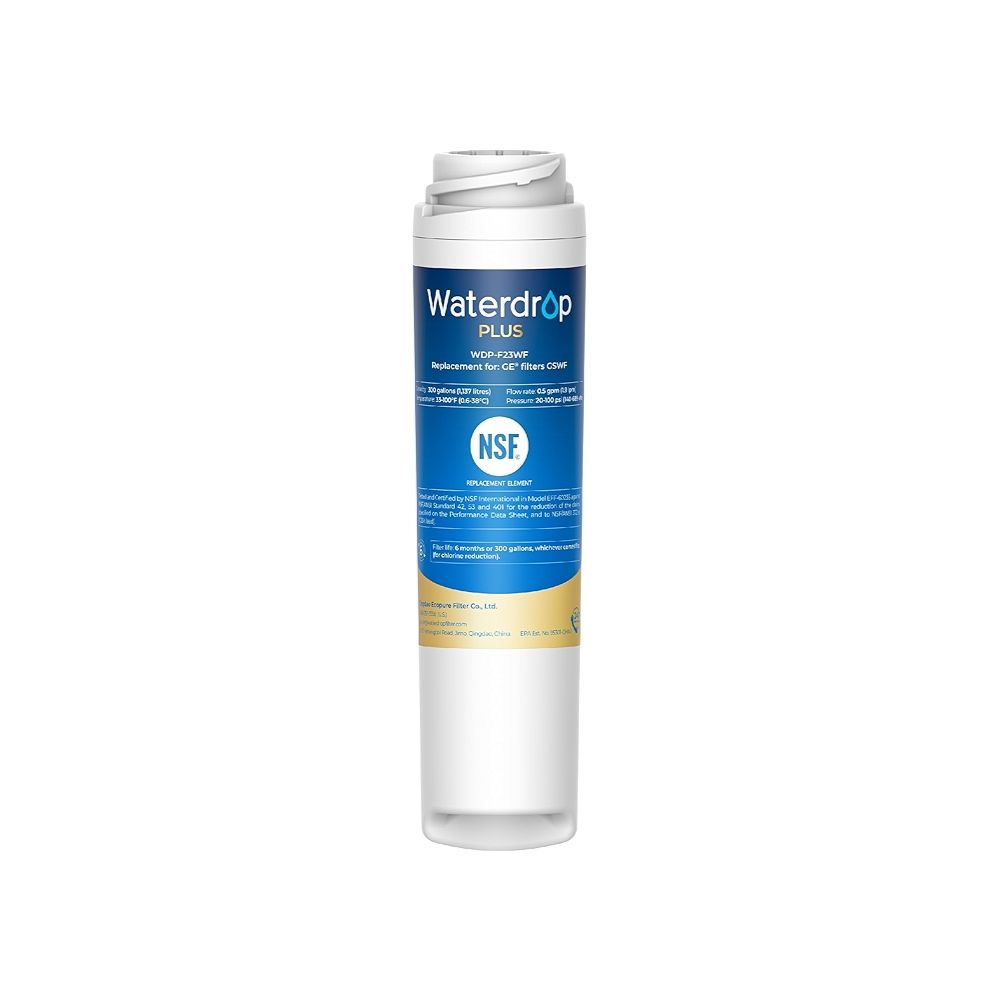
The Waterdrop Plus GSWF NSF 401 & 53 Certified Refrigerator Water Filter is designed to deliver efficient filtration while maintaining ease of use. However, to ensure optimal performance, proper installation and regular maintenance are crucial. Understanding how to install, use, and maintain the filter correctly helps extend its lifespan and ensures consistent water quality.
This guide provides a detailed overview of the installation process, maintenance practices, troubleshooting tips, and best practices for maximizing the performance of your refrigerator water filter.
Understanding the Role of the Filter
Before diving into installation and maintenance, it is important to understand the function of the filter. Refrigerator water filters are designed to purify water before it is dispensed or used to make ice.
The Waterdrop Plus GSWF filter uses advanced filtration media to reduce contaminants such as chlorine, heavy metals, and certain chemicals. Its certification under NSF standards indicates that it has been tested for both health-related contaminants and emerging substances.
By filtering water at the source, the system ensures that every glass of water and every ice cube is cleaner and safer for consumption.
Preparing for Installation
Proper preparation is the first step in ensuring a smooth installation process. Begin by identifying the correct filter model that is compatible with your refrigerator. Compatibility is essential to ensure a proper seal and prevent leaks.
Before replacing the filter, it is recommended to:
- Turn off the water supply if required by your refrigerator model
- Locate the existing filter compartment, usually inside the refrigerator or at the grille base
- Prepare a clean cloth or towel to catch any minor spills
- Wash your hands to avoid contaminating the filter during handling
Having these preparations in place helps make the installation process quick and efficient.
Step-by-Step Installation Process
Installing the Waterdrop Plus GSWF filter is generally straightforward and does not require specialized tools. While exact steps may vary slightly depending on the refrigerator model, the general process is as follows:
First, locate the existing filter inside the refrigerator. It is usually housed in a compartment that can be accessed by opening a cover or twisting the filter.
Next, remove the old filter by either twisting it counterclockwise or pressing a release button, depending on the design. Gently pull the filter out of the compartment.
Before inserting the new filter, remove any protective caps or seals from the cartridge. Align the new filter with the slot and insert it into the compartment.
Once properly aligned, push or twist the filter clockwise until it locks securely into place. Ensure that it fits snugly to prevent any gaps or leaks.
After installation, close the filter compartment cover if applicable.
Flushing the Filter After Installation
After installing a new filter, it is important to flush the system before regular use. Flushing helps remove any residual carbon particles and prepares the filter for optimal performance.
To flush the filter, dispense water through the refrigerator’s water dispenser for several minutes. This process helps clear out initial impurities and ensures that the water is clean and ready for consumption.
It is also recommended to discard the first batch of ice produced after installation, as it may contain residual particles from the filter.
Routine Maintenance Practices
Waterdrop Plus GSWF 𝐍𝐒𝐅 𝟒𝟎𝟏&53 Certified Refrigerator Water Filter Regular maintenance is essential to ensure that the filter continues to perform effectively. Over time, the filter media becomes saturated with contaminants, reducing its ability to purify water.
One of the most important maintenance practices is timely replacement of the filter. Most refrigerator filters, including the Waterdrop Plus GSWF, should be replaced every few months depending on usage and water quality.
Monitoring water flow and taste can also provide clues about filter condition. A noticeable decrease in flow rate or changes in taste or odor may indicate that the filter needs replacement.
Keeping track of installation dates or setting reminders can help ensure that filters are replaced on schedule.
Signs That the Filter Needs Replacement
There are several indicators that suggest it is time to replace your refrigerator water filter.
A decline in water flow from the dispenser is one of the most common signs. As the filter becomes clogged with contaminants, it restricts the passage of water.
Changes in taste or odor are another indicator. If water begins to taste less fresh or develops an unusual smell, it may be due to a saturated filter.
Some refrigerators are equipped with indicator lights that notify users when the filter needs replacement. However, even without such indicators, paying attention to water quality can help determine when a change is necessary.
Proper Handling and Storage
When handling a new filter, it is important to keep it clean and free from contamination. Avoid touching the internal filtration surfaces directly.
Store replacement filters in a cool, dry place away from direct sunlight and moisture. Proper storage helps preserve the integrity of the filter media until it is ready for use.
Avoid using expired or damaged filters, as they may not perform effectively.
Troubleshooting Common Issues
Occasionally, users may encounter minor issues after installing or using a refrigerator water filter. Understanding how to troubleshoot these problems can help maintain consistent performance.
If there is a leak after installation, check that the filter is properly aligned and securely locked into place. A loose connection may cause water to escape.
If water flow is too slow, ensure that the filter is correctly installed and not clogged due to extended use. In some cases, flushing the filter again may help improve flow.
If the water tastes unusual after installation, additional flushing may be required to remove residual particles from the filter media.
Maximizing Filter Lifespan
To get the most out of your filter, it is important to follow best practices that support longevity and performance.
Using the filter regularly helps prevent stagnation within the system. Regular water flow ensures that contaminants do not accumulate excessively.
Avoid exposing the filter to extreme temperatures, as this can affect its structural integrity.
Following the recommended replacement schedule is one of the most effective ways to maintain consistent filtration quality. Overusing a filter beyond its lifespan can reduce its effectiveness and compromise water quality.
Importance of Consistent Maintenance
Consistent maintenance not only ensures clean water but also protects the refrigerator’s internal water system. A well-maintained filter helps prevent buildup of contaminants within the appliance, reducing the risk of damage or malfunction.
In addition, maintaining a regular replacement schedule ensures that the filtration system continues to meet its intended performance standards. This is especially important for households that rely heavily on filtered water for drinking and cooking.
Health and Safety Considerations
Proper installation and maintenance of the filter contribute directly to health and safety. A correctly installed filter ensures that water passes through the filtration media without bypass, allowing contaminants to be effectively reduced.
Regular replacement prevents the accumulation of impurities within the filter, which could otherwise reduce its effectiveness over time. Clean and well-filtered water supports hydration, digestion, and overall wellness.
For households with children, elderly members, or individuals with specific health concerns, maintaining high water quality is particularly important.
Conclusion
Installing and maintaining the Waterdrop Plus GSWF NSF 401 & 53 Certified Refrigerator Water Filter is a straightforward process that plays a significant role in ensuring clean and safe drinking water. From proper installation and initial flushing to routine maintenance and timely replacement, each step contributes to the overall performance of the filtration system.
By following recommended practices, users can maximize the lifespan of the filter, maintain consistent water quality, and enjoy the full benefits of improved taste and reduced contaminants. Regular attention to maintenance not only enhances convenience but also supports long-term health and safety.
A well-maintained refrigerator water filter is a simple yet effective investment in better water quality and a healthier lifestyle.